
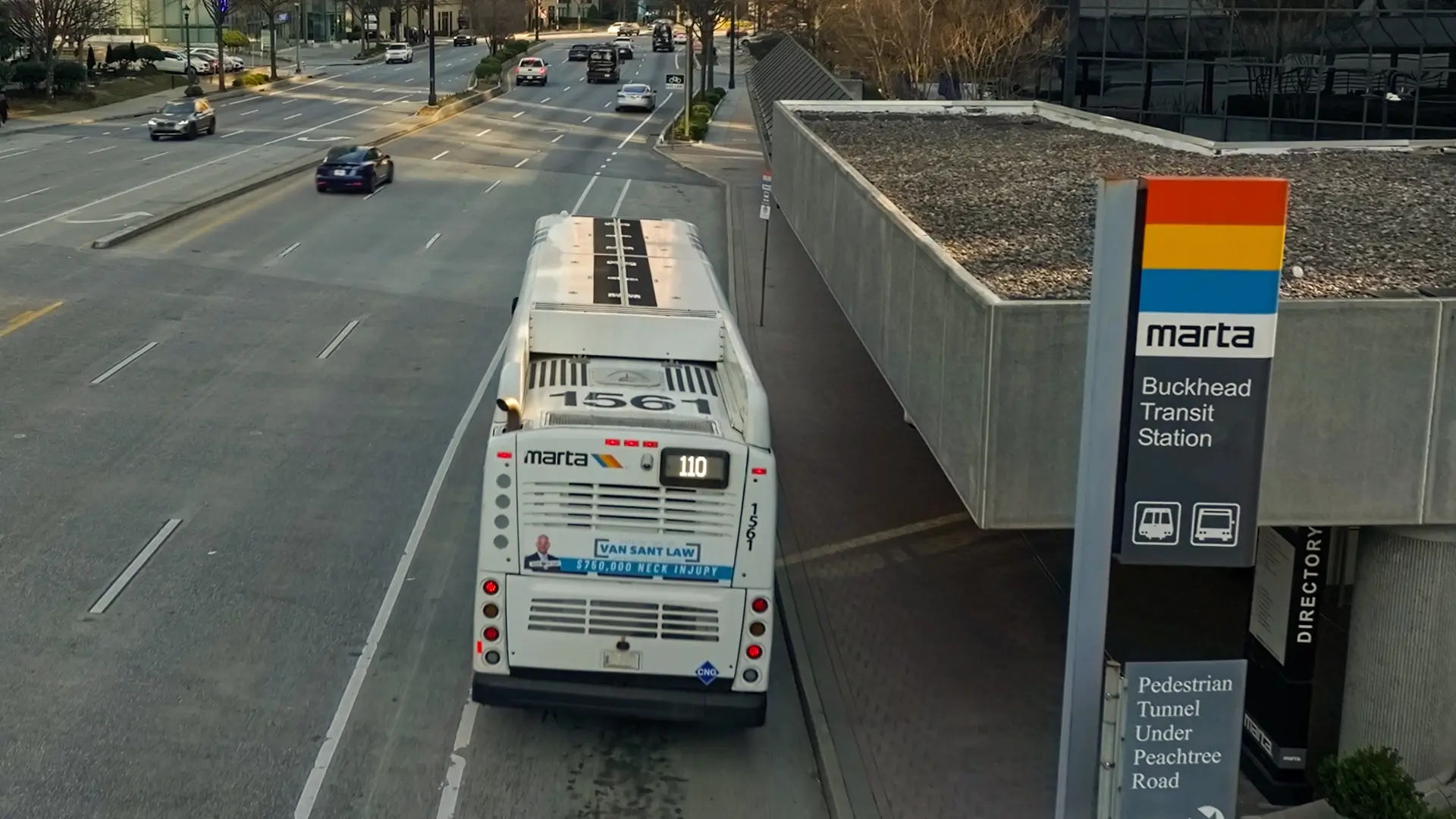
Flexible work schedules, shifting travel patterns, and continued regional growth are changing how metro Atlanta employees get to work. MARTA’s new NextGen Bus Network — the largest redesign of the agency’s bus system in more than 50 years — is responding to those changes with more frequent service, expanded on-demand options, and a transit network built for all-day mobility rather than traditional rush-hour commuting.
Why a New Bus Network Matters
MARTA began the redesign during the pandemic as travel patterns changed and traditional peak-hour commuting became less predictable. As work schedules become more varied, transit riders increasingly need reliable service throughout the day — not just during morning and evening rush hours.
At the same time, metro Atlanta continues to grow and diversify. According to MARTA, the redesign will improve access to jobs, education and essential services while delivering better service with existing resources and improving the overall customer experience.
The timing is also significant as Atlanta welcomes hundreds of thousands of visitors during the FIFA World Cup 26™, creating additional demand for efficient transportation options throughout the region.
What makes NextGen better than ever? Let us count the ways.
One: More Service, More Access
The new network is designed to make bus service faster, more consistent and with expanded access to essential destinations such as hospitals, grocery stores, job centers, schools, and MARTA stations.
One of the biggest changes is a major expansion of high-frequency service. MARTA has more than tripled the number of corridors with buses arriving every 15 minutes or better. The redesign also introduces:
- Consistent service levels every day of the week
- More direct and efficient routes
- Strategically timed transfers to reduce wait times
The redesign not only expands service frequency but also access. The new network will provide over 75% more jobs along high-frequency corridors and an estimated 145,000 more jobs near service operating every 30 minutes or better.
For employers, MARTA’s NextGen Bus network improvements are making transit a more practical commuting option for a larger share of the workforce while improving access to employment centers across the region.
Two: On-Demand Option for Convenience
Flexibility is the name of the game for MARTA Reach, a new on-demand bus service in areas where there is lower demand, lower ridership, and infrequent service.
MARTA Reach uses small, ADA-accessible vans to provide curb-to-curb transportation within 12 designated service zones: West Atlanta, Kirkwood / Candler Park, County Line, Lakewood, Oakley Industrial, Fulton Industrial, East Point, Hillandale, Candler-McAfee / Belvedere Park, Cedar Grove, Gresham Park, and North Fulton.
Riders can request trips through a mobile app, website, or reservation line, helping bridge the gap between neighborhoods and the broader MARTA rail and bus network.
Three: A Modern Fare Payment System
MARTA is also modernizing the customer experience through improvements to station amenities, service information, and fare payment. The Better Breeze payment system allows riders to tap their phone’s mobile wallet or use a contactless debit card or credit card directly to pay for fare and get their free transfer.
For employers encouraging transit use as part of their commute benefits programs, these improvements can help reduce barriers and improve employee confidence in using transit.
What’s Next?
In April, MARTA launched the region’s first bus rapid transit (BRT) service — the Rapid A-Line — connecting southeast Atlanta neighborhoods to Downtown Atlanta. The project serves as the first phase of MARTA’s larger bus rapid transit vision and was timed to support increased regional mobility ahead of the World Cup. Buses will use dedicated lanes and transit signal priority to bypass traffic and improve mobility. Sign up for MARTA emails to stay updated on this work.
Georgia Commute Options — a program made possible by the Atlanta Regional Commission and Georgia Department of Transportation — works with businesses, property managers, CIDs and local transportation management associations to develop and implement commute programs and services that reduce traffic congestion and improve air quality across the region.